Discover the cultural meaning behind Japan’s iconic school backpack—the randoseru. Learn its history, design, and why Japanese children carry the same bag for six years.

 JapanUnveiled.com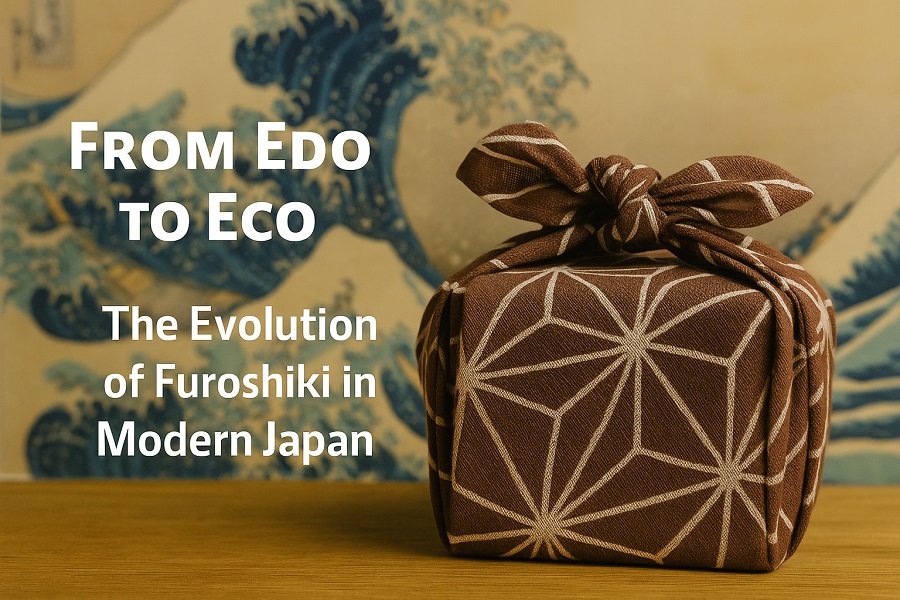
For over a thousand years, Japanese people have wrapped, carried, and protected their belongings using a simple square of cloth called furoshiki. Once a daily necessity, it fell out of use during the rise of plastic bags—but now, in an age of sustainability and mindfulness, furoshiki is making a remarkable comeback.
Let’s explore the journey of furoshiki—from its origins in the Edo period to its eco-conscious revival in the 21st century.
The word “furoshiki” (風呂敷) literally means “bath spread.” It originated during the Edo period (1603–1868), when visitors to communal bathhouses used cloths to bundle their belongings and lay them out on the floor while they bathed.
Beyond the bathhouse, merchants and travelers began using these cloths to carry goods and personal items, thanks to their practicality, reusability, and simple square shape.
As Japan modernized in the late 19th and early 20th centuries, furoshiki evolved into an essential part of daily life. People wrapped bento boxes, clothes, gifts, and groceries in furoshiki, often tailoring their fabric and designs to specific purposes or seasons.
Furoshiki was not just functional—it was an extension of etiquette and aesthetic sensibility. The way you wrapped and tied it reflected your attention to detail and care for the item or person involved.
After World War II, Japan entered an era of rapid economic growth and consumer convenience. The rise of plastic bags, paper gift wrap, and synthetic packaging led to a sharp decline in furoshiki use.
By the 1970s, furoshiki had become something of a cultural relic, used only for formal gift-giving or by older generations. It faded from everyday life as “modern” meant disposable.
As the world began to confront issues of plastic pollution and climate change, Japan started to re-examine its traditional practices—and furoshiki found new life.
Key factors in its revival include:
Even the Japanese Ministry of the Environment promoted furoshiki in 2006 as a symbol of sustainable living.
Today, furoshiki is more versatile than ever. It’s being used as:
Its return reflects a broader cultural shift: toward less waste, more intention, and renewed respect for the past.
Furoshiki’s journey from Edo-era bathhouses to eco boutiques in Tokyo and New York is a testament to the power of simplicity and timeless design. It shows that traditions don’t have to disappear—they can evolve, adapt, and offer solutions for today’s world.
Sometimes, the most modern ideas are the ones we’ve had all along.
Curious how furoshiki is used today? Check out our article: “10 Creative Ways to Use Furoshiki in Daily Life.”